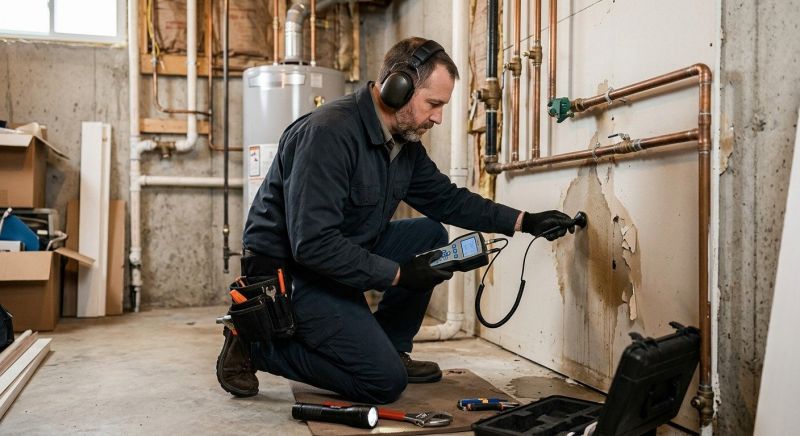
Pipe Leak Detection in Denver, CO
Pipe leak detection services help homeowners identify hidden leaks within plumbing systems, often before they cause significant water damage or increase utility bills. These services typically involve specialized tools and methods to locate leaks in various parts of a property, including underground pipes, behind walls, or beneath floors. Projects may range from pinpointing small leaks in residential plumbing to assessing larger pipe systems in commercial buildings, ensuring that property owners understand the exact location of a leak for effective repairs.
Property owners considering pipe leak detection usually want to know if there are hidden leaks affecting their property’s plumbing or causing unexplained water bills. They may also seek to confirm the presence of leaks before undertaking costly repairs or renovations. Understanding the scope of the detection process, the types of pipes or areas covered, and any preparations required can help homeowners make informed decisions about scheduling these services.
Many property owners in Denver, CO look into Pipe Leak Detection for repairs, replacements, upgrades, and appearance-related improvements.
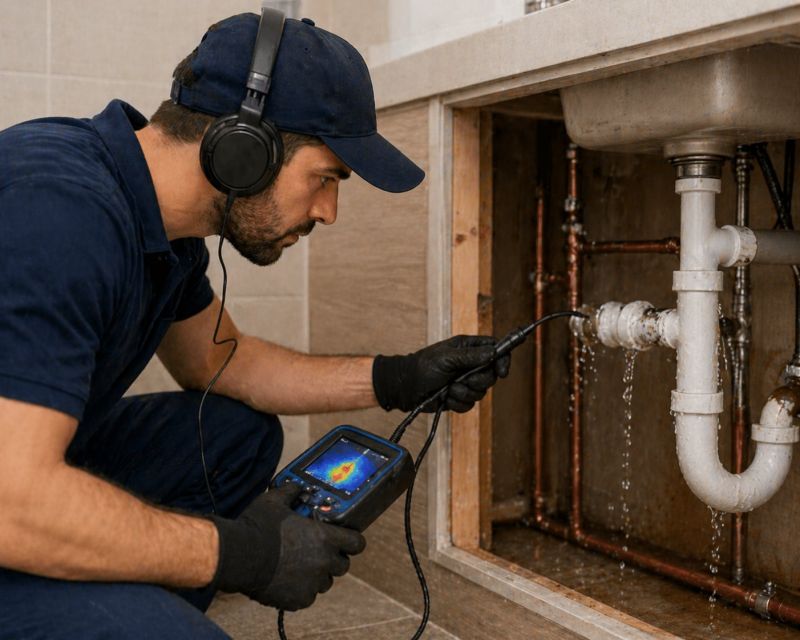
Detecting Hidden Leaks
Advanced techniques identify leaks that are not visible on the surface.
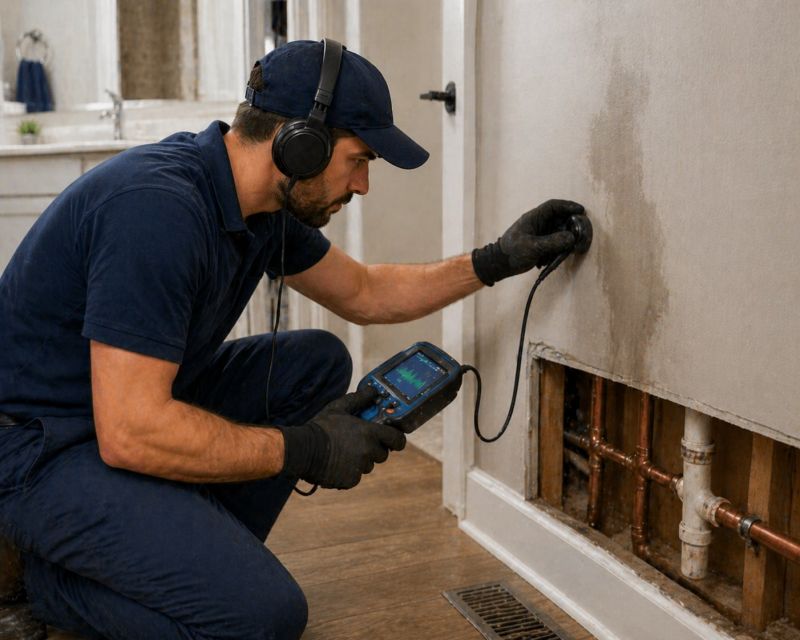
Preventing Water Damage
Early leak detection helps avoid costly repairs and property damage in denver homes.
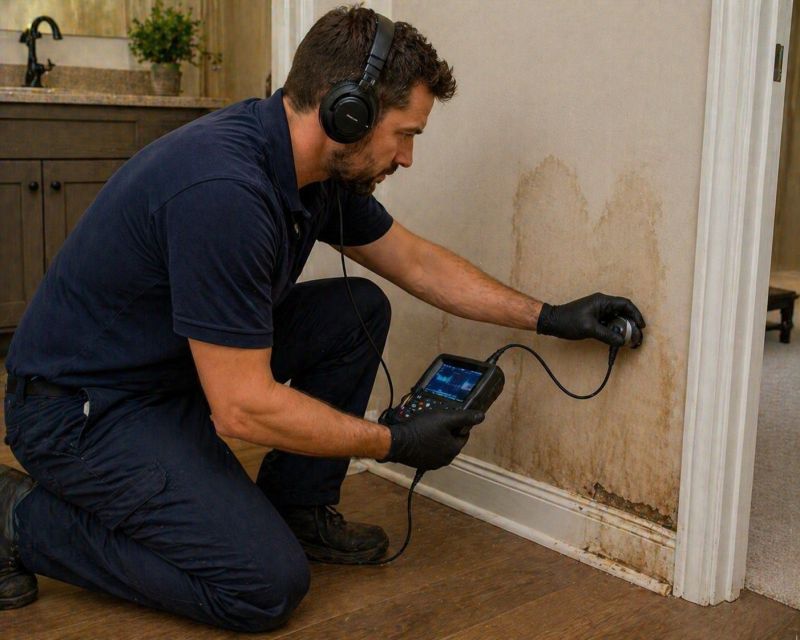
Ensuring Plumbing Integrity
Accurate location of leaks allows for targeted repairs and long-term plumbing health.
Pipe Leak Detection in Denver, CO

Pipe leak detection services help homeowners identify hidden leaks within plumbing systems, often before they cause significant water damage or increase utility bills. These services typically involve specialized tools and methods to locate leaks in various parts of a property, including underground pipes, behind walls, or beneath floors. Projects may range from pinpointing small leaks in residential plumbing to assessing larger pipe systems in commercial buildings, ensuring that property owners understand the exact location of a leak for effective repairs.
Property owners considering pipe leak detection usually want to know if there are hidden leaks affecting their property’s plumbing or causing unexplained water bills. They may also seek to confirm the presence of leaks before undertaking costly repairs or renovations. Understanding the scope of the detection process, the types of pipes or areas covered, and any preparations required can help homeowners make informed decisions about scheduling these services.
Many property owners in Denver, CO look into Pipe Leak Detection for repairs, replacements, upgrades, and appearance-related improvements.
Common Pipe Leak Detection Jobs
Residential plumbing inspections - pinpoint hidden leaks in pipes behind walls or under floors.
Underground pipe testing - detect leaks in buried pipes before they cause major damage.
Slab leak detection - identify leaks beneath concrete slabs without extensive demolition.
Drain line assessments - locate leaks or blockages in main and branch drain lines.
Water supply line checks - find leaks in water lines leading to appliances and fixtures.
Leak detection for remodeling projects - ensure pipe integrity before renovations or additions.
Pipe Leak Detection Questions
How can I tell if I have a pipe leak? Signs include unexplained water bills, damp spots on walls or floors, and the sound of running water when no fixtures are in use.
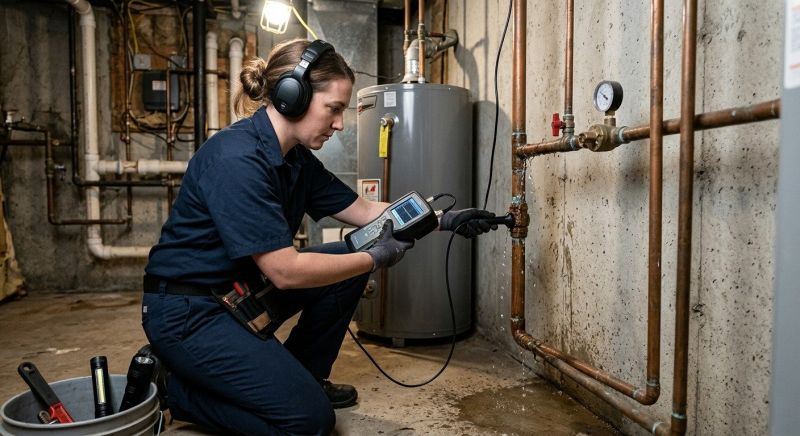
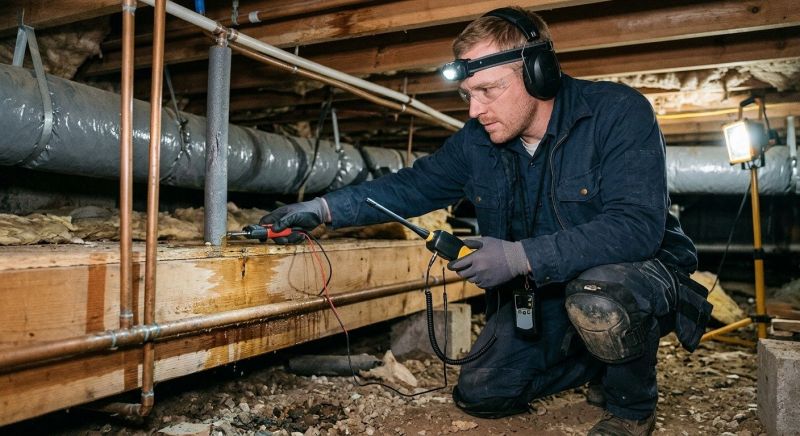
What areas are typically checked during leak detection? Commonly inspected areas include underground pipes, behind walls, under floors, and in basements or crawl spaces.
What methods are used for pipe leak detection? Techniques often involve electronic listening devices, thermal imaging, and pressure testing to locate leaks accurately.
Why is early leak detection important? Detecting leaks early can prevent water damage, reduce repair costs, and conserve water resources around the property.
Request Pipe Leak Detection in Denver, CO
Use the quote form on this page to share the basics of your project and request more information for the type of work you need.